Pages

Tuesday, February 23, 2010

Friday, January 30, 2009

THE DISCUSSION


The Discussion
Song painting in the Litang style illustrating the theme "confucianism, taoism and buddhism are one". Depicts taoist Lu Xiujing (left), official Tao Hongjing (right) and buddhist monk Huiyuan (center, founder of Pure Land) by the Tiger stream. The stream borders a zone infested by tigers that they just crossed without fear, engrossed as they were in their discussion. Realising what they just did, they laugh together, hence the name of the picture,
Three laughing men by the Tiger stream.
Teknologi Baru, Relasi Baru:

Memajukan Budaya Menghormati, Dialog dan Persahabatan (Pesan Bapa Suci Benediktus XVI untuk Hari Komunikasi Sosial Sedunia ke- 43,
24 Mei 2009)

Saudara dan Saudari Terkasih,
1. Mendahului Hari Komunikasi Sedunia yang akan datang, Saya ingin menyampaikan kepada anda beberapa permenungan mengenai tema yang dipilih untuk tahun ini yakni – Teknologi Baru, Relasi Baru: Memajukan Budaya Menghormati, Dialog dan Persahabatan. Sesungguhnya teknologi digital baru sedang membawa pergeseran yang hakiki terhadap perilaku-perilaku komunikasi juga terhadap ragam hubungan manusia, khususnya bagi kaum muda yang bertumbuh bersama teknologi baru dan telah merasakan dunia digital sebagai rumah sendiri. Mereka berusaha memahami dan memanfaatkan peluang yang diberikan olehnya, sesuatu yang bagi kita orang dewasa acap kali dirasakan cukup asing. Dalam pesan tahun ini, Saya menyadari mereka yang dikenal sebagai generasi digital, dan Saya ingin berbagi dengan mereka, khususnya tentang gagasan-gagasan menyangkut potensi ulung teknologi baru apabila dipergunakan untuk memajukan pemahaman dan rasa kesetiakawanan manusia. Teknologi baru itu sesungguhnya merupakan anugerah bagi umat manusia dan kita mesti sungguh-sungguh memberikan jaminan bahwa manfaat yang dimilikinya dipergunakan untuk melayani semua umat manusia secara pribadi dan komunitas, secara istimewa bagi mereka yang kurang beruntung dan disakiti.
2. Akses yang mudah terhadap telpon seluler dan komputer yang dikombinasikan dengan jangkauan dan penyebaran internet secara meluas telah menciptakan serba ragam sarana melaluinya, kata-kata dan gambar dapat disampaikan secara langsung ke wilayah-wilayah terjauh dan terpencil di dunia, sesuatu yang tidak pernah terpikirkan oleh generasi-generasi sebelumnya. Kekuatan besar media baru ini telah digenggam oleh orang-orang muda dalam mengembangkan jalinan, komunikasi dan pengertian di antara individu maupun secara bersama. Mereka telah beralih kepada media baru sebagai sarana berkomunikasi dengan teman- teman , sarana untuk berjumpa dengan teman-teman baru, sararana untuk membangun paguyuban dan jejaringan, mencari informasi dan berita serta sarana berbagi gagasan dan pendapat. Banyak manfaat muncul dari budaya baru komunikasi ini, antara lain keluarga-keluarga masih tetap bisa berkomunikasi walau terpisah oleh jarak yang jauh, para mahasiswa dan peneliti mendapat peluang
yang lebih cepat dan mudah kepada dokumen, sumber-sumber rujukan dan penemuan-penemuan ilmiah sehingga mereka bisa bekerja secara bersama meski dari tempat yang berbeda. Lebih dari itu, kodrat interaktif yang dihadirkan oleh bebagai media baru mempermudah pembelajaran dan komunikasi dalam bentuk yang lebih dinamis sehingga memberikan sumbangsih bagi perkembangan sosial.
3. Betapapun kecepatan media baru ini begitu mengagumkan dalam artian daya guna dan rasa aman, namun popularitasnya bagi para pengguna tidak seharusnya membuat kita terheran-heran kalau ia menjawabi kerinduan mendasar umat manusia untuk berkomunikasi dan berhubungan dengan orang lain.
Hasrat akan komunikasi dan persahabatan ini berakar pada kodrat kita yang paling dalam sebagai manusia dan tak boleh dimengerti sebagai jawaban terhadap berbagai inovasi teknis. Dalam terang amanat Kitab Suci, hasrat untuk berkomunikasi dan berhubungan dengan orang lain, pertama-tama harus dimengerti sebagai ungkapan peran-serta kita akan kasih Allah yang komunikatif dan mempersatukan yang ingin menjadikan seluruh umat manusia sebagai suatu keluarga. Tatkala kita ingin mendekati orang lain, tatkala kita ingin mengetahui lebih banyak tentang mereka, dan membuat kita dikenal oleh mereka, kita justru sedang menjawabi panggilan Allah yakni panggilan yang terpatok dalam kodrat kita sebagai mahkluk yang diciptakan seturut gambar dan rupa Allah, Allah komunikasi dan persekutuan.
4. Hasrat saling berhubungan dan naluri komunikasi yang sudah sedemikian melekat dalam kebudayaan masa kini sungguh dipahami sebagai ungkapan kecendrungan mendasar dan berkelanjutan manusia yang mutakhir untuk menjangkau keluar dan mengupayakan persekutuan dengan orang lain. Kenyataanya, tatkala kita membuka diri terhadap orang lain, kita sedang memenuhi hasrat kita yang terdalam dan menjadi lebih sungguh manusia. Pada dasarnya, mencintai adalah hal yang dikehendaki oleh Sang Pencipta. Dalam hal ini, Saya tidak berbicara tentang hubungan sekilas dan dangkal, tetapi tentang kasih yang sesungguhnya, yang menjadi inti ajaran moral Yesus: ”Kasihilah TuhanAllahmu dengan sepenuh hati, dengan seluruh jiwa raga, dengan seluruh akal budimu dan dengan seluruh kekuatanmu” dan ” kasihilah sesamamu seperti dirimu sendiri” (bdk. Mrk 12:30-31). Dalam terang pemahaman ini, merenungi makna teknologi baru amatlah penting agar kita tidak sekadar menaruh pehatian pada
kemampuannya yang tak dapat diragukan untuk mengembangkan kontak dengan orang lain, tetapi tertutama pada kwalitas isi yang disebarkan melaui media dimaksud. Saya ingin mendorong semua orang yang berkehendak baik yang sedang bergiat di lingkungan komunikasi digital masa kini untuk sungguh membaktikan diri dalam memajukan budaya menghomati, dialog dan persahabatan.
Oleh karena itu, mereka yang bergiat dalam pembuatan dan penyebaran isi media baru harus benar-benar menghormati martabat dan nilai pribadi manusia. Apabila teknologi baru dipergunakan untuk melayani kebaikan pribadi dan masyarakat, semua penggunanya akan mengelakkan tukar menukar kata dan gambar yang merendahkan umat manusia dan keintiman hubungan seksual atau yang mengeksploitasi orang lemah dan menderita.
5. Teknologi baru juga membuka jalan untuk dialog di antara orang-orang dari berbagai negara, budaya dan agama. Gelanggang digital baru yang disebut jagat maya, memungkinkan mereka untuk bertemu dan saling mengenal kebiasaan dan nilai-nilai mereka masing-masing. Perjumpaan-perjumpaan yang demikian kalau mau berhasil guna, menuntut bentuk pengungkapan bersama yang jujur dan tepat disertai sikap mendengar dengan penuh perhatian dan penuh penghargaan. Bila dialog bertujuan untuk memajukan pertumbuhan pengertian dan sikap setia kawan, ia harus berakar pada ikhtiar mencari kebenaran sejati dan bersama. Hidup bukanlah sekadar rangkaian peristiwa dan pengalaman: hidup adalah sebuah pencarian kebenaran, kebaikan dan keindahan. Untuk maksud inilah maka kita membuat pilihan; untuk maksud inilah maka kita meragakan kebebasan kita, dengan maksud inilah- yakni dalam kebenaran, dalam kebaikan dan dalam keindahan- kita menemukan kebahagiaan dan sukacita. Kita tidak boleh
membiarkan diri kita diperdaya oleh orang-orang yang semata-mata melihat kita sebagai konsumen dalam sebuah pasar yang dijejali dengan aneka ragam kemungkinan dimana pilihan itu sendiri berubah menjadi barang, kebaruan mengganti keindahan dan pengalaman sukyektif menggantikan kebenaran.
6. Gagasan tentang persahabatan telah mendapat pemahaman baru oleh munculnya kosa kata jaringan sosial digital dalam beberapa tahun belakangan ini. Gagasan ini merupakan suatu pencapaian yang paling luhur dalam budaya manusia. Dalam dan melalui persahabatan, kita bertumbuh dan berkembang sebagai manusia. Karena itu, persahabatan yang benar harus selalu dilihat sebagai kekayaan paling besar yang dapat dialami oleh pribadi manusia. Dengan ini, kita mestinya hati-hati memandang remeh gagasan atau pengalaman persahabatan. Sungguh menyedihkan apabila hasrat untuk mempertahankan dan mengembangkan persahabatan ’on-line’ mengorbankan kesempatan untuk keluarga, tetangga dan mereka yang kita jumpai dalam keseharian di tempat kerja, di tempat pendidikan dan tempat rekreasi. Apabila hasrat akan jalinan maya berubah menjadi obsesi, maka hasrat itu akan memarjinalkan pribadi dari interaksi sosial rial sekaligus menghambat pola istirahat, keheningan dan permenungan yang berguna bagi perkembangan kesehatan manusia.
7. Persahabatan adalah kekayaan terbesar manusia, tetapi nilai ulungnya bisa hilang apabila persahabatan itu dipahami sebagai tujuan itu sendiri. Sahabat harus saling mendukung dan saling memberi dorongan dalam mengembangkan bakat dan pembawaan mereka dan memanfaatkannya demi pelayanan bagi manusia. Dalam konteks ini, sungguh membanggakan bahwa jejaringan digital baru ini berihktiar memajukan kesetiakawanan umat manusia, damai dan keadilan, hak asasi manusia dan penghargaan terhadap hidup manusia serta kebaikan ciptaan. Jejaringan-jejaringan ini dapat mempermudah bentuk-bentuk kerjasama antar orang dari konteks geografis dan budaya yang berbeda dan membuat mereka mampu memperdalam kemanusiaan mereka dan rasa sepenanggungan demi kebaikan untuk semua. Karena itu kita mesti secara tegas menjamin bahwa dunia digital, dimana jejaringan serupa itu dapat dibangun, adalah dunia yang sungguh terbuka untuk semua orang. Sungguh akan menjadi tragedi masa depan bagi umat manusia, apabila sarana baru komunikasi yang memungkinkan orang berbagi pengetahuan dan informasi dengan cara yang lebih cepat dan berdayaguna, tidak terakses oleh mereka yang terpinggirkan secara ekonomi dan sosial, atau apabila ia cuma membantu memperbesar kesenjangan yang memisahkan orang miskin dari jejaringan baru itu yang justru dikembangkan bagi pelayanan sosialisasi manusia dan penyebaran informasi.
8. Saya bermaksud mensyimpulkan pesan ini dengan menyampaikan secara istimewa kepada orang muda katolik untuk mendorong mereka memberikan kesaksian iman dalam dunia digital. Saudara dan Saudari terkasih, saya meminta kepada anda sekalian untuk memperkenalkan nilai-nilai yang melandasi hidup anda ke dalam lingkungan budaya baru yakni budaya komunikasi dan informasi teknologi. Pada awal kehidupan gereja, para rasul bersama murid-muridnya mewartakan kabar gembira tentang Yesus kepada dunia orang Yunani dan Romawi. Sudah sejak masa itu, keberhasilan karya evangelisasi menuntut perhatian yang saksama dalam memahami kebudayaan dan kebiasaan bangsa-bangsa kafir sehingga kebenaran Injil dapat menjamah hati dan pikiran mereka. Demikian juga pada masa kini, karya pewartaan Kristus dalam dunia teknologi baru menuntut suatu pengetahuan yang mendalam tentang dunia kalau teknologi itu dipergunakan untuk melayani perutusan kita secara berdayaguna.
Kepada anda kalian, orang-orang muda, yang agaknya memiliki hubungan yang spontan terhadap sarana baru komunikasi, supaya bertanggungjawab terhadap evangelisasi ’benua digital’ ini. Pastikan untuk mewartakan Injil ke dalam dunia jaman sekarang dengan penuh semangat. Kamu mengetahui kecemasan dan harapan mereka, cita-cita dan kekecewaan mereka: hadiah terbesar yang dapat kalian berikan kepada mereka adalah berbagi dengan mereka ”kabar gembira” Allah yang telah menjadi manusia, yang menderita, wafar dan bangkit kembali untuk menyelamatkan semua orang. Hati umat manusia sedang haus akan sebuah dunia dimana kasih meraja, dimana anugerah dibagikan dan dimana jati diri ditemukan dalam bentuk persekutuan yang saling menghargai. Iman kita mampu menjawabi harapan-harapan itu: semoga kamu menjadi bentaranya! Ketahuilah, Bapa Suci memberkati anda dengan doa dan berkatnya.

Vatikan, 24 Januari 2009, pesta Santo Fransiskus dari Sales

Wednesday, January 28, 2009

THREE PHILOSOPHIES OF LIFE

Three Metaphysical Moods
by Peter Kreeft - Ignatius Press Books


"Man is not the lord of beings. Man is the shepherd of Being. Man loses nothing in this "less"; rather, he gains in that he attains the truth of Being. He gains the essential poverty of the shepherd, whose dignity consists in being called by Being itself into the preservation of Being's truth." (Martin Heidedegger in Letter on Humanism, 1964)

Heidegger begins question: ''Why is there anything rather than nothing?
He speaks of three moods that raise this great question. They are three metaphysical moods, three moods that reveal not just the feelings of the individual but also the meanings of being. And these three are the three metaphysical moods that give rise to the three philosophies of life that we find in Ecclesiastes, Job, and Song of Songs. Heidegger says,
"Why is there anything rather than nothing?"...

Many men never encounter this question, if by encounter we mean not merely to hear and read about it as an interrogative formulation but to ask the question, that is, to bring it about, to raise it, to feel its inevitability.

And yet each of us is grazed at least once, perhaps more than once, by the hidden power of this question, even if he is not aware of what is happening to him. The question looms in moments of great despair, when things tend to lose all their weight and all meaning becomes obscured. Perhaps it will strike but once like a muffled bell that rings into our life and gradually dies away. It is present in moments of rejoicing, when all the things around us are transfigured and seem to be there for the first time, as if it might be easier to think they arc not than to understand that they are and are as they are. The question is upon us in boredom, when we are equally removed from despair and joy, and everything about us seems so hopelessly commonplace that we no longer care whether anything is or is not--and with this the question "Why is there anything rather than nothing?" is evoked in a particular form.

But this question may be asked expressly, or, unrecognized as a question, it may merely pass through our lives like a brief gust of wind.
Despair is Job's mood. His suffering is not only bodily but also spiritual. What has he to look forward to except death? He has lost everything, even God--especially God, it seems.God is certainly all powerful and all loving; one of the reasons there is suffering is that his people have violated his law or gone against his will, and he is bringing suffering upon them to force them to return to him and lead righteous lives. This kind of explanation works well so long as it is the wicked who suffer. But what about the wicked who prosper while the ones who try to do what is right before God are wracked with interminable pain and unbearable misery? How does one explain the suffering of the righteous? For that, another explanation needs to be used (for example, that all will be made right in the afterlife—a view not found in the prophets but in other biblical authors). And so it goes.

Joy is the mood of love, young love, new love, "falling in love". That is the wonder in Song of Songs: that the beloved should be; that life should be; that anything, now all lit by the new light of love, should be--as mysterious a glory as it was to job a mysterious burden.

Boredom is the mood of Ecciesiastes. It is a modern mood. Indeed, there is no word for it in any ancient language! In this mood, there is neither a reason to die, as in Job, nor a reason to live, as in Song of Songs. This is the deepest pit of all.

Saturday, January 10, 2009

PSIKIATRI AND ME , SEBUAH EXPLANASI

Psychology: the science of the mind

Psychology is the science of the mind. The human mind is the most complex machine on Earth. It is the source of all thought and behaviour.

How do psychologists study the mind?

But how can we study something as complex and mysterious as the mind? Even if we were to split open the skull of a willing volunteer and have a look inside, we would only see the gloopy grey matter of the brain. We cannot see someone thinking. Nor can we observe their emotions, or memories, or perceptions and dreams. So how do psychologists go about studying the mind?

In fact, psychologists adopt a similar approach to scientists in other fields. Nuclear physicists interested in the structure of atoms cannot observe protons, electrons and neutrons directly. Instead, they predict how these elements should behave and devise experiments to confirm or refute their expectations.

Human behaviour: the raw data of psychology

In a similar way, psychologists use human behaviour as a clue to the workings of the mind. Although we cannot observe the mind directly, everything we do, think, feel and say is determined by the functioning of the mind. So psychologists take human behaviour as the raw data for testing their theories about how the mind works.

Since the German psychologist Wilhelm Wundt (1832-1920) opened the first experimental psychology lab in Leipzig in 1879, we have learned an enormous amount about the relationship between brain, mind and behaviour.

Psychology and other disciplines

Psychology lies at the intersection of many other different disciplines, including biology, medicine, linguistics, philosophy, anthropology, sociology, and artificial intelligence (AI).

For example, neuropsychology is allied with biology, since the aim is to map different areas of the brain and explain how each underpins different brain functions like memory or language. Other branches of psychology are more closely connected with medicine. Health psychologists help people manage disease and pain. Similarly, clinical psychologists help alleviate the suffering caused by mental disorders.

Branches of psychology

Any attempt to explain why humans think and behave in the way that they do will inevitably be linked to one or another branch of psychology. The different disciplines of psychology are extremely wide-ranging. They include:

  • Clinical psychology
  • Cognitive psychology: memory
  • Cognitive psychology: intelligence
  • Developmental psychology
  • Evolutionary psychology
  • Forensic psychology
  • Health psychology
  • Neuropsychology
  • Occupational psychology
  • Social psychology

You can learn more about these disciplines by selecting from the list of links on the right hand side of the page.

What all these different approaches to psychology have in common is a desire to explain the behaviour of individuals based on the workings of the mind. And in every area, psychologists apply scientific methodology. They formulate theories, test hypotheses through observation and experiment, and analyse the findings with statistical techniques that help them identify important findings.


ruang dan waktu
alam dan pengalaman
manusia dengan segala aspeknya
perempuan dan seksualitasnya
lelaki dengan solemnitasnya
agama dan tradisi
segala realitas sosial
menjadi objek fenomenologi
dikaji ada dan mengadanya
dieksplorasi eksistensinya
dengan logika kesadaran

kesadaran yang menangkap realitas
bertemu dengan realitas yang menggejala
yang menampakkan diri pada kesadaran
diolah dengan pemikiran karunia Ilahi
menjadi filsafat yang ilmiah
menjadi suatu pengertian

jika aku melihat langitmu, buatan jarimu
bulan dan bintang - bintang yang kautempatkan
apakah anak manusia sehingga Engkau mengindahkannya
namun Engkau telah membuatnya hampir sama seperti Allah
Engkau membuat dia berkuasa atas buatan tanganMu (Mzm 8)

Seorang teman bersaran kepada teman lainnya agar mengusahakan saya dibawa ke seorang psikiater, oleh karena akhir-akhir ini sejak saya ditinggal isteri dengan penderitaannya yang cukup lama menurut pendapatnya saya menjadi lain. Yang dimaksud adalah sekarang ini saya menulis tentang segala sesuatu, baik yang menyangkut kepedihan itu sendiri maupun yang lainnya. Suatu pengalaman yang memedihkan memang telah membuat t segalanya menjadi tak menentu. saya pernah menulis MND , tiga buah kata yang merubah segalanya bagi kami berdua dan juga bagi anak-anak.
Saya berterima kasih kepada saran ini, masalahnya yang paling tahu tentang diri saya adalah diri saya sendiri. Dengan pendidikan psikologi zaman dulu, saya dididik selama 7 tahun (kurikulum rata-rata saat itu) disebuah universitas paling top di negeri ini dan merupakan center of excellence dengan pengajar-pengajar yang umumnya waktu itu adalah berasal dari pendidikan luar negeri, beberapa bergelar Doctor/Phd dengan literature fakultas yang cukup baik. Pada tahun-tahun terakhir bahkan kami untuk kasuistik harus ikut klas psikiatri selama 1 bulan, mengambil kasus-kasus yang variatif dalam kelainan kepribadian/gangguan kejiwaan yang berlangsung selama 3 bulan di rumah-rumah sakit jiwa di Jakarta , yaitu di RSCM, RSPAD, RSAL, dan Rumah Sakit Jiwa Grogol. Kami mempelajari tentang "manusia" rata-rata selama 7 tahun dengan segala subjek studi yang melatar belakangnya. Dari physiologi, anthropologi, sosiologi dan kriminologi, filsafat dan applied psychology lainnya. Dari psikologi eksperimen, pendidikan, klinis, sosial, development & anak, dan industri & organization. Bukan hanya dengan kuliah belaka namun menjalanai stasi/stage yartinya praktek langsung menerima klien dan research selama masing-masing 3 bulan di tiap bagiannya. Kami belajar filsafat hampir sepanjang studi kami lebih dari seminari-seminari berikan untuk para calon pastor. Dari filsafat Yunani , Materialismenya Marx dan Hegel, sampai Fenomenologinya Husserl , Sartre, Marleau Ponty sampai Eksistensialisme nya Soren Kierkegaard, Bergson, Martin Heidegger, dst ; dan diajar oleh para guru besar seperti alm pater Drijarkara, SJ dan alm Fuad Hassan. Sayangnya kami tidak diajar tentang Thomas Aquinas ,dan Karl Rahner dan juga Martin Buber yangt populer sesudah tahun 70-an ; yang selain membahas relasi antar manusia juga banyak mengupas relasi dengan Tuhan. Yang banyak didalami para pastor pinter dalam studi ke luar negerinya. Juga kami tidak belajar logo therapy seperti yang banyak dipelajari para pastor, namun seberapa banyak pastor yang mau melakukan counseling. Banyak diantara mereka lebih menikmati bercharting ria /up load menggunakan teknologi IT baru BB dengan para ibu, barangkali sesuatu yang hilang pada masa lalunya dibandingkan kami kaum awam. Psikiatri bagi dokter umum untuk spesialisasi paling lama 2 tahun. Pada tahun-tahun akhir masa studi , bahkan dalam case study saya biasa presentasi didepan para dokter dan psikiater. Kalau kami mempelajari manusia seutuhnya, para psikiater lebih melihat sebagai objek yang sakit, melakukan anamnese, menentukan diagnosa berdasar symptomatik perilaku penderita , kami para psikolog melakukan evaluasi psikologi berupa gambaran lengkap si individu, kemampuan-kemampuan nya, kehidupan emosi dandan dunia pikiran dengan segala latar belakangnya, dengan pemeriksaan psikologis yang komprehensif, sayangnya karena perkembangan dunia pendidikan dan juga karena aturan asosiasi profesi dan sistim pendidikan baru sejak tahun 1987 (?) pendidikan 4 tahun dengan lebih kurang 150 sks saja , para sarjana psikologi S1 sekarang bahkan tidak tahu dan juga tidak terlatih untuk pemeriksaan psikologis, harus ikut strata post graduate yang khusus untuk profesi. Kami para psikolog lulusan dulu bahkan merasa dan mengalami pendidikan panjang yang lebih dari post graduate dan juga lebih self-confident karena merasa mempunyai kompetensi dalam bidang psikologi, yang membedakan mungkin hanya peminatan dan skripsi yang harus teoritis dan empiris berdasarkan penelitian sendiri yang diambil, biasanya memerlukan waqktu paling cepat dalam 6 bulan dengan pertemuan intensif dengan sponsor/promotor.
Para psikiater meski juga dididik psiko-terapi, umumnya lebih melihat pasien sebagai orang sakit dengan gambaran prognose yang selalu tidak positif dan lebih suka memberi terapi seperti shock therapi/terapi kejut dengan listrik (saat itu), transquilizer/obat-obat penenang seperti diazepam, dsb. Kami para psikolog lebih terlatih menghadapi manusia dengan segala type kepribadian dan segala latar belakang yang membentuknya. Juga kami belajar psiko terapi dan counseling . masing-masing selama 2 semester dengan cukup intensif. Tulisan ini bukan untuk membandingkan antara psikolog dan psikiater, dan saya sendiri sekarang tidak terlalu mengamati apa yang terjadi di Indonesia. Lain disini mungkin lain dengan negara yang perkembangan psikologi dan psikiatrinya lebih maju.
Anyway, saya berterima kasih saran teman itu bila disampaikan dengan tulus. Banyak menulis dan juga membaca bukanlah indikasi yang menjadikan seseorang harus dibawa ke psikiater meski barangkali memang tidak lazim pada budaya masyarakat kita yang tidak menyukai tulis - baca, jika dibandingkan dengan menonton sinetron.
Sejauh isi tulisannya bukan seperti orang-orang schizophrenia, paranoia, atau lainnya. Meski kita juga mengetahui banyak para penulis adalah penderita penyakit jiwa seperti Ernst Hemmingway, dan banyak seniman terutama pelukis yang produktif dan kreatif adalah para penderita schizophrenia (in search of healing)

Grief and Loss Recovery
Jeanette Lockerbie, former editor of Psychology for Living magazine, tells about a minister friend whose wife died suddenly. With her husband, she had been very active in the church and was dearly loved by all the church members.
"I remember so well the church announcement of her funeral service: 'Come, and wear your brightest colors as we celebrate her homegoing,'" Lockerbie reported.
"Fine. This congregation was just following the teaching this minister had given them for a score of years. Everyone did the 'right' thing: the minister bore up admirably and 'celebrated' with his people the death of his life partner.
"Months later, I happened to be a guest in the home where this minister was also visiting. I scarcely recognized the ghost of a man he had become. His deep sorrow at the snatching away of his loved wife, suppressed in the interest of 'Christian' expectations of him, had worked its devastation in his life, both physically and emotionally."1
His "brave front" was nothing but a mask to hide his true feelings. Such masks are deadening.
Some time ago in an article in The Reader's Digest, John Kord Lagemann tells about another minister's reaction to death: "Recently the minister of our church had to carry tragic news to the parents of a twelve-year-old boy. Their son had drowned on a school outing. Later, the parents told me, 'The minister didn't preach or tell us to be brave. He broke into tears and wept with us. We will always love him for that.'"2

To hide behind a brave front in times of deep sorrow is to set one's self up for greater trauma ahead.
It is obvious to see which of the two ministers acted in the healthiest manner. Emotions are God given. In denying them we rob ourselves of spontaneity and seriously affect our emotional and physical health as well as damage our relationships. As John Lagemann put it, without emotions life would be like "playing a trombone with a stuck slide!"
In giving us emotions God also gave us ways to express them. He gave laughter to express joy, words to express anger, and tears to express sorrow. At the grave of his good friend, Lazarus, Jesus wept openly and unashamedly. "Weep with those who weep"3 is God's practical and healthy advice.
Grief can be caused not only by the loss of a loved one, but also by the loss of a job, a home, one's savings, a loved family pet, or anything of value. With any of these losses, the natural response is to grieve—which may include a mixture of reactions and emotions, all of which need to be worked through and resolved. Grieving is not a quick-fix simple event, but a process that can take weeks or many months depending on the significance of the loss. The following are stages that need to be worked through to bring resolution:
First, accept the reality of what has happened. At times of deep loss there is often denial. This couldn't have happened to me. It's just a bad dream, the mind reasons, and blots out the reality of the situation. As difficult as it may be, to resolve grief it is essential to accept whatever loss has occurred.
I know one man who was divorced 20 years ago. His former wife has long since remarried, but he is still living in a fantasy world with the dream that she is going to come back to him. As much as God (and the rest of us) hate divorce, and while miracles are possible, the likelihood of this woman coming back to this man is highly unrealistic. Until he accepts the finality of his situation, he'll stay stuck in the place where he has been for the past 20 years!
Second, realize that it is normal to hurt deeply at a time of loss. Give yourself permission to cry. It is one way of draining the pain of sorrow and loss. As long as our feelings are bottled up, we can't think clearly, we numb out, and get stuck—that is, we can't get on with our lives. Only after we discharge our painful emotions in healthy ways are we freed to pick up the pieces of our lives and return to meaningful living.
Some societies are much healthier when it comes to grieving. The Dani people in Irian Jaya, for example, says former missionary Elise Wight, weep and wail openly for several days when a loved one dies. We, too, need to weep out our pain. It is absolutely essential for healing. As Jesus taught, "Blessed are those who mourn, for they will be comforted."4 Only as we mourn our loss do we find comfort.
Third, accept feelings of loneliness, fear of being alone, and a sense of hopelessness as normal following the loss of a loved one. What is there left to live for? some feel. Forcing yourself to stay involved in former activities you enjoyed and going out and mixing with friends as soon as possible is very important. Equally important is to join a support group—with others who are also suffering loss. None of us can make it alone. We all need the support of loving, understanding friends, especially during times of grief and sadness. As the Bible teaches us, "Bear … one another's burdens, and so fulfill the law of Christ."5
Fourth, there may also be feelings of guilt, especially if there has been a suicide or some kind of preventable accident. Why didn't I do more for her/him? If only I'd been more understanding. It's my fault? All are thoughts that can haunt.
I talked with one man whose wife committed suicide six months earlier. This man felt he was to blame. Like all of us, I'm sure he could have done some things differently, but he wasn't responsible for his wife's action. Suicide was her choice. His guilt was false. He may need professional counseling to help him see and resolve this.
Fifth, another common emotion in grief is anger. We may feel angry at the person for leaving us, or at our boss for firing us, or at God for allowing our loss to happen. Anger can be difficult to admit, especially when directed at someone we loved very much—or at God! If there is anger, it is essential to acknowledge and express it in healthy ways. If it's repressed, full recovery isn't possible and can lead to depression and/or physical sickness.
Give yourself permission to cry. It is one way of draining the pain of sorrow and loss.
I read about one woman whose two sisters died tragically. She announced to the rest of the family, "There is no God. I don't believe in Him anymore." This woman was understandably angry at God, but instead of telling Him how she felt, she rejected Him. God doesn't get upset when we are angry at Him. He knows it anyhow and He understands. The healthy thing to do is to tell Him how we feel so we can resolve these feelings. Otherwise we will stuff them and become physically ill, depressed, bored, withdrawn, or take out our hurt on others.
In Psalm 109 David expressed his angry feelings to the Lord against those who were accusing him falsely. He prayed, "O God, whom I praise, do not remain silent, for wicked and deceitful men have opened their mouths against me; they have spoken against me with lying tongues. With words of hatred they surround me; they attack me without cause."6 And then he poured out the bitter feelings he held toward these people, after which he prayed, "Help me, O LORD my God; save me in accordance with your love."7 It can be very helpful for us to do the same.
Finally, give yourself time to heal. After accepting and dealing with your painful feelings, which may take weeks or even months, refuse to keep living in the past. Live for the present and the future. Do something that will help others.
Remember, it is God's will that we recover and use our pain as a means to promote growth. This can better equip us to minister to others who grieve. He wants to help us—and will—as we open our life to Christ and daily commit and trust ourselves to Him. As His Word says, "Casting all your care upon Him, for He cares for you."8
NOTE: For further help see the author’s book, How to Mend a Broken Heart, which can be purchased at: http://www.actscom.com/store.
(Daily Encounter)
1. Source unknown.
2. The Reader's Digest, August 1967.
3. Romans 12:15.
4. Matthew 5:7, (NIV).
5. Galatians 6:2, (KJV).
6. Psalm 109:2-3.
7. Psalm 109:26.
8. 1 Peter 5:7, (NKJV).

Friday, January 2, 2009

JOHN THE BAPTIST


gapuramu lapangkanlah
menyambutRaja Mulia
Sang Raja semesta
Juru selamat dunia


Masa adven adalah awal tahun liturgi. Tahun ini adalah tahun A dengan bacaan Sabda dari Matius sesuai dengan Liturgi gereja yang indah dan kaya, ada sesuatu yang begitu bermakna untuk menjadi bahan renungan dalam Pi/Pa di lingkungan- lingkungan paroki se KAJ. Tahun demi tahun Pa/Pi masa adven selalu dicarikan thema yang menurut pendapat saya berakhir sebagai sekedar wacana atau memang sebagi solusi untuk umat se KAJ?. Tahun ini tentang "Belajar dari keluarga Nazareth" dengan subthema seperti misalnya diantaranya tentang keutuhan keluarga. Disitu dikutip angka perceraian yang tinggi, yang disebabkan perselisihan dalam keluarga , tidak adanya tanggung jawab, adanya pihak ketiga dari data perceraian umat? Kemudian sang imam menyampaikan juga bahwa untuk thema2 tersebut, dicarikan logonya kemudian dibicarakan oleh para imam dan awam jauh hari sebelumnya. Bahwa mereka, maksudnya komisi di KAJ telah membicarakan, mendiskusikan , dsbnya pula untuk tahun 2011( saya membaca karena mendapat cc dari seorang pastor yang terlibat dan kompeten dalam sebuah mailnya ). Mengapa jauh-jauh dan tidak membuat Pi/Pa sesuai bacaan liturgi yang memang disiapkan gereja untuk memberi kesempatan Allah saat ini mau berkomunikasi dengan putera-puteri yang dicintaiNya sesuai bacaan liturgi. Lebih-lebih dalam parokiku bacaan Sabda sesuai liturgi tidak dihomilikan, namun mengenai hal-hal lain.
Bacaan dalam masa adven mengajak kita kepada suatu pengharapan, suatu antisipasi dengan refleksi berdasar Sabda untuk kedatangan Putera Allah sang Mesias yang sudah dinubuatikan sejak zaman para nabi. Untuk dapat diajak jalan bersama Yesus menuju keselamatan. Tahun baru liturgi dalam masa advent berarti juga awal dari keselamatan, alfa dan juga sekaligus akhir atau omega dari keselamatan. Patutlah kita bersyukur bahwa tahun ini kita masih memnpunyai kesempatan untuik menerima keselamatan, siapa tahu tidak lagi dalam tahun yang akan datang, siapa tahu kemah kita akan dibongkar pada tahun mendatang ini.
Mendahului masa Natal yang menampilkan penjelmaan dan kelahiran Yesus di tengah umat manusia. Dalam masa Adven, teks Minggu pertama menyampaikan tentang kedatangan Kristus pada akhir zaman, sedangkan pada Minggu kedua dan ketiga menampilkan Yohanes Pembaptis, yang mengajak kita menyiapkan jalan bagi Tuhan, sedangkan pada Minggu keempat ditampilkan Bunda Maria yang melahirhan Yesus, Sang Immanuel bagi kita.
Marilah kita menghayati Sabda khususnya memulai dengan pertobatan sesuai bacaan minggu kedua, bertobatlah kerajaan Allah sudah dekat. Keadaan sudah genting, kapak sudah tersedia pada akar pohon, alat penampi sudah ditanganNya (Yoh 3). Marilah dalam pendalaman iman kita menangkap gerak Tuhan yang meninggalkan kemuliaanNya . Masa adven adalah masa keprihatinan dalam gerak mengikuti penyelamatan. Membebaskan diri dan meninggalkan diri dari tindakan kegelapan di masa lalu, menangkap awal yang baru dengan mengatur batin dari pada sekedar percaya dengan iman kita, mulai mengolah diri mengatasi segala kelemahan dalam spiritual hidup dengan mengenalinya dan kemudian memohon kekuatan baru untuk mengatur langkah-langkah dalam menuju keselamatan.
Siapakah Yohanes ? Seorang yang menjembatani Perjanjian Lama dan Perjanjian Baru. Dia adalah yang pertama memberikan kesaksian tentangYesus yang benar - benar Allah dengan seruannya; "Inilah Dia, yang kumaksudkan ketika aku berkata: Kemudian dari padaku akan datang Dia yang telah mendahului aku, sebab Dia telah ada sebelum aku" ( Yoh 1 :15 ) .Memang Yohanes adalah Elia yang mendahului Mesias, tapi ia menyangkal dirinya sebagai Elia dan sebagai nabi. Padahal Yohanes, yang dilahirkan dengan mujizat karena Elisabeth saudara Maria , menggandung dalam usia yang sudah lanjut, dan Zakaria ayahnya karena tidak percaya menjadi kelu lidahnya dan autis. Yang hidupnya tidak biasa, makanannya adalah belalang dan madu hutan dan berpakaian bulu unta.
Namun, Yesus berkata berkata : Karena tentang dia ada tertulis : Lihatlah , Aku menyuruh utusanKu mendahului engkau, ia akan mempersiapkan jalanMu dihadapan Mu). aku berkata kepadamu : Sesungguhnya diantara mereka yang dilahirkan perempuan tidak pernah tampil seorang yang lebih besar dari pada Yohanes Pembaptis, dialah Elia yang akan datang itu . Siapa bertelinga hendaklah ia mendengar! Bolehlah kita berdoa dalam masa adven ini

Tuhan,
dalam penantian kedatangan Puteramu
yang berasal dari diriMu sendiri
kami dapat bergerak menuju keselamatan
yang Engkau janjikan sejak zaman para nabi
biarlah kami dapat mengatur batin kami
untuk dapat memulai sesuatu yang baru
bangkit dan mengolah diri kami
agar dapat menerima rahmat keselamatanMu
yang Kau tawarkan melalui gerejaMu
yang kudus dan aspotolik dalam masa advent ini
sehingga sesuai ajaran Puteramu
kami dapat meninggalkan tindakan-tindakan
kegelapan kami dimasa`lalu,
kami mohon ampun atas dosa salah kami
limpahkanlah rahmat tobatmu
sehingga kami menyadari dan
dapat mengurai tindak dan kebiasaan yang salah
dengan bantuanRohmu dan bantuan Bunda Maria
kami lebih dimurnikan oleh kasih Ilahimu
dalam menjalani hidup kami sehari-hari
berdayakanlah kami seturut kehendakMu
Oh datanglah Imanuel
Sang Penyelamat kami. Amin


Our knowledge of the figure of John the Baptist is very limited. We have only those references to him in the Christian gospels, where he stands alongside of Jesus. We also have references to him in the Jewish historian, Josephus, who was writing toward the end of the first century. So John the Baptist is clearly a very important figure of the time. He was a renowned kind of eccentric, it appears, from the way that Josephus describes him. But he seems to have this quality of a kind of prophetic figure ... one who was calling for change. So he is usually thought of as being off in the desert wearing unusual clothes ... a kind of ascetic, almost. But what he is really is a critic of society, of worldliness, who seems to be calling for a change in religious life.The prophet Isaiah spoke of John as "the voice of one crying in the wilderness" telling the people to get ready for the coming of Jesus. John told them that Jesus would be greater and mightier than he, and that he was not worthy to loosen the straps or even carry the sandals of the Lord. He was dressed in clothes made of camel's hair and had a leather belt around his waist. He lived in the desert and ate locusts and wild honey. He went through all the country around the Jordan preaching a baptism of repentance for the forgiveness of sins. Crowds of people came confessing their sins and he baptized them in the Jordan River. He told them that they must live right. They asked him what they should do. He said that if they had two coats, they should share with a person who did not have a coat, and if they had food, they should share with those who did not. The tax collectors asked what they should do, and he told them to be honest in their collection of taxes and to not collect more than they were required to.The soldiers asked what they should do, and he told them to not take money from people illegally, to always tell the truth and not falsely accuse people. They were to be content with their pay and not grumble about it. John always spoke the truth, even when people didn't want to hear it. He fearlessly confronted King Herod with the evil things he had done. Eventually, this stand for the truth cost John his life. We can pray for emptiness, a place in our Inn. We can prepare for this liturgy after Christmas by allowing some experiences of not having to be a kind of having.To experience that Jesus had come to our inn as new born baby , God Almighty became man for us.

Thursday, December 18, 2008

DECEMBER 2008 , PARIS ON TERROR ALERT AFTER A DETENTION BOM FOUND IN DEPARTMENT STORE


picture by hendra boeniardi

CHRISTMAS CAROL


There is one Christmas Carol that has always baffled me.
What in the world do leaping lords, French hens,
swimming swans, and especially the partridge who won't come out
of the pear tree have to do with Christmas?
From 1558 until 1829, Roman Catholics in England were
not permitted to practice their faith openly. Someone
during that era wrote this carol as a catechism song for young Catholics.
It has two levels of meaning: the surface meaning
plus a hidden meaning known only to members of their church. Each
element in the carol has a code word for a religious reality
which the children could remember.

-The partridge in a pear tree was Jesus Christ.
-Two turtle doves were the Old and New Testaments.
-Three French hens stood for faith, hope and love.

-The four calling birds were the four gospels of Matthew, Mark, Luke & John.
-The five golden rings recalled the Torah or Law, the first five books of the Old Testament.
-The six geese a-laying stood for the six days of creation.
-Seven swans a-swimming represented the sevenfold gifts of the Holy Spirit--Prophesy, Serving, Teaching,
Exhortation, Contribution, Leadership, and Mercy.
-The eight maids a-milking were the eight beatitudes.

-Nine ladies dancing were the nine fruits of the Holy Spirit--Love, Joy, Peace, Patience, Kindness, Goodness,
Faithfulness, Gentleness, and Self Control.
-The ten lords a-leaping were the ten commandments.

-The eleven pipers piping stood for the eleven faithful disciples.

-The twelve drummers drumming symbolized the twelve points of belief in the Apostles' Creed.

So there is your history for today. This knowledge was shared with me and I found it interesting and enlightening and now I know how that strange song became a Christmas Carol....so pass it on if you wish!

Tuesday, December 16, 2008

Monday, December 8, 2008

THE LIGHT FROM YOU LORD


I pray we'll find your light
and hold it in our hearts
let this be our prayer
when shadow fill our day
lead us to place
guide us with your grace
give us faith
so we'll be
safewe ask that life be kind
and watch us from above
let this be our prayer ( The Prayer)
Posted by Picasa

Saturday, December 6, 2008

LIDO SHOW EXOTIC DANCERS IN PARIS


What are we looking for?
An attractive cabaret show ,
exotic dancers
or erotic dancers
a passionate of nudity and beauty ,
for accomplishment of pleasure desire ,
instinctive but perhaps is a grace ,
for creation of human being or recreation ,
or just for a fun and hedonistic taste ,
like a mirror of every woman would like to be
somehow
sometime
it's clean
it's sexy
it can touch your life
it's the light
it's the beauty
the cabaret thing
the Paris thing
for how beauty of the creation
praise The Lord

(hendra , camera is prohibited inside)
Posted by Picasa

Friday, December 5, 2008

CANDLES BESIDE THE GROTTO - SANCTUARIES LOURDES

 
picture by hendra boeniardi
I pray we'll find your light
and hold it in our hearts
let this be our prayer
when shadow fill our day
lead us to place
guide us with your grace
give us faith
so we'll be
safe
we ask that life be kind
and watch us from above
let this be our prayer ( The Prayer)
Posted by Picasa

A PRAY INSIDE CATHEDRAL MONACO


Flow with whatever may happen
and let your mind be free
stay centered by accepting
whatever you are doing
this is the ultimate
(Osho in Compassion,
The Ultimate Flowering of Love,St.Martin's Griffin, New York,2007)
Posted by Picasa

Wednesday, December 3, 2008

A SPOT AT SPANISH STEP , ROME

 
Posted by Picasa
Memory when at Spanish Step though we did not not shop anything, Oh Lord why ...............

Monday, December 1, 2008

BRUSSELLS , THE CAPITAL CITY OF SCHENGEN

 
picture by hendra boeniardi
Posted by Picasa

LA CONCERGERIE REMIND US TO FRENCH REVOLUTION , THE BIRTH OF DEMOCRACY

 
picture by hendra boeniardi
Posted by Picasa

REVOLUTIONARY TRIBUNAL , NEAR TO 2600 PRISONERS SENT TO GUILLOTINE
After the Restoration of the Bourbons in the 19th century, the Conciergerie continued to be used as a prison for high-value prisoners — most notably the future Napoleon III. Marie Antoinette's cell was converted into a chapel dedicated to her memory. The Conciergerie and Palais de Justice underwent major rebuilding in the mid-19th century, totally altering their external appearance. While the building looks like a brooding medieval fortress, this appearance actually only dates from about 1858. The Conciergerie was decommissioned in 1914 and was opened to the public as a national historical monument. It is today a popular tourist attraction, although only a relatively small part of the building is open to public access — much of it is still used for the Paris law courts.(Wikipedia)

Tuesday, November 25, 2008

DES INVALIDES , MUSEE DE L'ARMEE PARIS , MUSSOLEUM BONAPARTE

 
picture by hendra boeniardi
Posted by Picasa
 

In 1670, Louis XIV - the Sun King - founded Les Invalides near what was then called the Grenelle Plain. An old soldiers home, it was funded by a five year levy on the salaries of soldiers currently serving in the army at that time. The first stones were laid in 1671, for what was to become a complex providing quarters for 4,000. Construction followed plans drawn up by Libéral Bruant, and was completed in 1676. The Esplandade was layed out by Robert de Cotte.
Construction of the dome began in 1706. Designed by Jules Hardouin-Mansart and completed by de Cotte after Mansart died in 1708. Many of the arms used by the mob when it attacked the Bastille on 14 July 1789 were taken from Les Invalide on the morning of that day. Despite resistence by the posted sentries, they were overwhelmed by the mob which finally entered the underground rifle storehouse. Roughly 28,000 arms were taken. of the dome began in 1706. Designed by Jules Hardouin-Mansart and completed by de Cotte after Mansart died in 1708. Many of the arms used by the mob when it attacked the Bastille on 14 July 1789 were taken from Les Invalide on the morning of that day. Despite resistence by the posted sentries, they were overwhelmed by the mob which finally entered the underground rifle storehouse. Roughly 28,000 arms were taken.
The most significant event in the history of Les Invalides however, is unquestionably the return of the body of Napoléon in 1840. After seven years of negotiation with the British government, Louis-Philippe, King of France, obtained permission to repatriate the Emperor's remains from St. Helena. On 8 October 1840 - 19 years after the death of the Emperor - the coffin was exhumed and opened for two minutes before transport to France aboard the frigate La Belle Poule. Those present claim that the body remained in a state of perfect preservation.
After arriving at Le Havre, it was brought up the Seine and landed at Paris at Courbevoie. On 15 December 1840 a state funeral was held, and despite a winter snowstorm, the hearse proceeded from the Arc de Triomphe down the Champs-Elysées, across the Place de la Concorde to the Esplanade and finally to the cupola in St Jerome's Chapel until the tomb - designed by Visconti - was completed. On 3 April 1861 Napoléon I came to his final rest in the crypt under de dome.(PARIS.ORG)

Monday, November 24, 2008

INSTITUT DE FRANCE WITH THE CUPOLA ON THE TOP


picture by hendra boeniardi
The Institut de France (French Institute) is a French learned society, grouping five académies, the most famous of which is probably the Académie française. The institute manages approximately 1,000 foundations, as well as museums and chateaux open for visit. It also awards prizes and subsidies, which amounted to a total of 5,028,190.55 euros for 2002. Most of these prizes are awarded by the Institute on the recommendation of the académies. The Institut de France was created on 25 October 1795. It was created by former members of the Masonic lodge Les Neuf Sœurs.

LA CONCIERGERIE , GUILOOTINE , FRENCH REVOLUTION


picture by hendra boeniardi
The Conciergerie and the French Revolution.
The Conciergerie thus already had an unpleasant reputation before it became internationally famous as the "antechamber to the guillotine" during the Reign of Terror, the bloodiest phase of the French Revolution. It housed the Revolutionary Tribunal as well as up to 1,200 male and female prisoners at a time. The Tribunal sat in the Great Hall between 2 April 1793 and 31 May 1795 and sent nearly 2,600 prisoners to the guillotine. Its rules were simple. Only two outcomes existed — a declaration of innocence or a death sentence — and in most cases the latter was chosen. The most famous prisoners (and victims) included Queen Marie Antoinette, the poet André Chénier, Charlotte Corday, Madame Élisabeth, Madame du Barry and the Girondins, who were condemned by Georges Danton, who was in turn condemned by Robespierre, who was himself condemned and executed in a final bout of bloodletting. En route to the tumbrils, the victims walked through the Salle Saint-Louis, (Saint Louis Room), which acquired the nickname of the Salle des Perdus, the "Room of the Doomed".(WIKIPEDIA)

MUSEE DE LA LEGION DE HONNEUR

 
Posted by Picasa
picture by hendra boeniardi
The Palais de la Légion d'Honneur was constructed between 1782 and 1787 by the architect Pierre Rousseau (1751–1810) for the German Prince Frederick III, Fürst of Salm-Kyrburg. The revolutionary government nationalised the building, and from 13 May 1804 it became the seat of the newly created Légion d'honneur. It was destroyed by fire under the Paris Commune in 1871, but was reconstructed with the support of funds raised among recipients of the Légion d'honneur and of the military medals which it also commemorates.

MUSEE DE ORSAY FROM SEINE RIVER

 
Posted by Picasa

picture by hendra boeniardi
The Musée d'Orsay is a museum in Paris, France, on the left bank of the Seine, housed in the former railway station, the Gare d'Orsay. It holds mainly French art dating from 1848 to 1915, including paintings, sculptures, furniture, and photography, and is probably best known for its extensive collection of impressionist masterpieces by such painters such as Monet, Degas, Renoir, and Cezanne. Many of these works were held at the Galerie nationale du Jeu de Paume prior to the museum's opening in 1986.

Saturday, November 22, 2008

TAKE A REST FOR AWHILE AT VOLENDAM

 
Posted by Picasa

VOLENDAM A FISHER'S VILLAGE - A SERENITY

 
picture by hendra boeniardi
Posted by Picasa

AMSTERDAM CITY OF 15 THOUSAND CANALS. HOW COME A LITTLE NATION ANEX A BIG NATION FOR 3.5 CENTURIES ?


picture by hendra boeniardi
kasihan bangsa yang tidak pernah angkat suara
kecuali yang sedang berjalan diatas kuburan
tidak sesumbar kecuali di reruntuhan
dan tidak memberontak
kecuali lehernya sudah berada
di antara pedang dan landasan

kasihan bangsa yang negarawannya serigala
filosofnya gentong nasi
dan senimannya tukang tiru
kasihan bangsa yang menyambut penguasa barunya
dengan terompet kehormatan
namun melepasnya dengan cacian

kasihan bangsa yang orang sucinya dungu
menghitung tahun - tahun berlalu

kasihan bangsa yang terpecah - pecah
dan masing - masing pecahan
menganggap dirinya
sebagai bangsa
(Kahlil Gibran, dalam "bangsa kasihan") - Jesus Son Of Man
Posted by Picasa
Posted by Picasa

ANOTHER SPOT OF SEINE

 
picture by hendra boeniardi
Posted by Picasa

Friday, November 21, 2008

THE SEINE RIVER - PARIS FROM DE L'ALMA - TOUT PARIS SUR SEINE


picture by hendra boeniardi
The Seine (pronounced is a slow flowing major river and commercial waterway within the regions of ÃŽle-de-France and Haute-Normandie in France and famous as a romantic backdrop in photographs of Paris, France. It is also a tourist attraction, with excursion boats offering sightseeing tours of the Rive Droite and Rive Gauche within the city of Paris. It terminates in the Bay of the Seine region of the English Channel and is navigable by oceanic transports about ten percent of its length to Rouen, 120 km (75 miles) from the sea, whereas over sixty percent of its length from Burgundy near the Swiss Alps is negotiable by commercial riverboats and nearly it's whole length is available for recreational boating. There are over three dozen bridges over the River Seine just within Paris and dozens more spanning the river outside of the city. Examples in Paris include the Pont Louis-Philippe and Pont Neuf, the latter which dates back to 1607. Outside of the city, examples include the Pont de Normandie, one of the longest cable-stayed bridges in the world, which links Le Havre to Honfleur (Wikipedia)
Posted by Picasa

MAP I HAD BEEN THERE

MAP OF VISITORS FROM AROUND THE WORLD SINCE OCTOBER 2007

MARY IMMACULATE, SHINING THE BEAUTY

MARY IMMACULATE, SHINING THE BEAUTY
Immaculada de Concepsiou - Pray with Mary for our sins . Ask God give mercy ang grace. Always honoured and praised every where

MY RELATED SITE FACEBOOK

Hendraboe Tanumihardja's Facebook Profile

Visitors country

free counters

LITTLE HOUSE ON THE VALLEY , ARAULEN BOTANICAL GARDEN , WA

LITTLE HOUSE ON THE VALLEY , ARAULEN BOTANICAL GARDEN , WA
In summer the flowers , in the silence joyful and happiness

A SERENITY AND SANCTUARY

A SERENITY AND SANCTUARY
Invite to pray and contemplation

A PURE SPRING WATER INSIDE GROTTO

A PURE SPRING WATER INSIDE GROTTO
Has continued to flow since 1858 ; he that believeth on Me , out of his belly shall flow rivers of living water

POPE BEFORE THE GROTTO

POPE BEFORE THE GROTTO
Pray with Mary when Jubileum Year 150 years

THE MOTHER OF GOD

THE MOTHER OF GOD
By her apparitions as Our Lady of Guadalupe to Saint Juan Diego

ALL OF THE SAINTS

ALL OF THE SAINTS
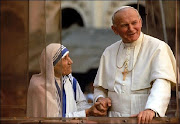
When two holly people met

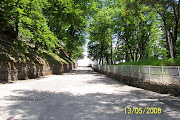
VIA DOLOROSA AT SANCTUARIES LPORDES

VIA DOLOROSA AT SANCTUARIES LPORDES
A lonesome road visited by million of pilgrims

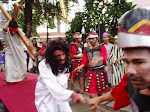
FROM GABATHA TO GOLGOTHA

FROM GABATHA TO GOLGOTHA
Jesu , Joy of man's desiring . Commemoration of Holy Friday in my parish "You are my disciples, if you keep obeying my teachings"

Mary Magdalene

Mary Magdalene
By Gestilenchi

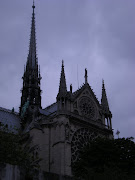
NOTRE DAME BASILICA - PARIS

NOTRE DAME BASILICA  -  PARIS
Mother of Church Diocese of Paris

LIFE IS EXCITING AND CHALLENGING

LIFE  IS  EXCITING  AND CHALLENGING
Filled it with wonder

NOTRE DAME BASILICA - PARIS

NOTRE DAME BASILICA  -  PARIS
Pictured from Seine river, started build in 11th century , Pope Alexander III laid the first stone

TIME IS ETERNITY

TIME  IS  ETERNITY

BASILIQUE IMMACULADE DE CONCEPCIOU - SANCTUARIES LOURDES

BASILIQUE IMMACULADE DE CONCEPCIOU - SANCTUARIES LOURDES
Built as Lady Mary's request to Bernarde

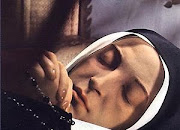
BERNADETTE SOUBIROUS 1844 - 1879 , 18 apparitions of a Lady , Mary

BERNADETTE SOUBIROUS 1844 - 1879 , 18 apparitions of a Lady , Mary
Canonised in 1933 , a miracle : her body incorruptible after death

MARY AT GROTTO WHERE MOTHER OF GOD MET BERNADETTE SOUBIROS in 1858

MARY AT GROTTO WHERE MOTHER OF GOD MET BERNADETTE SOUBIROS in 1858
Eucharist celebration with Sacrament adoration continuously along the day for the glory of God.

CANDLE PROSESSION IN THE FRONT OF BASILIQUE NOTRE DAME SANCTUARY LOURDES

CANDLE PROSESSION IN THE FRONT OF BASILIQUE NOTRE DAME SANCTUARY LOURDES
A very amazing and an undescribed feeling and emotion . Hail Mary for the glory of God

BLESSING - MAY OUR GOD GIVE BLESSING

BLESSING - MAY OUR GOD GIVE BLESSING
And ye will not come to me, that ye might have life.